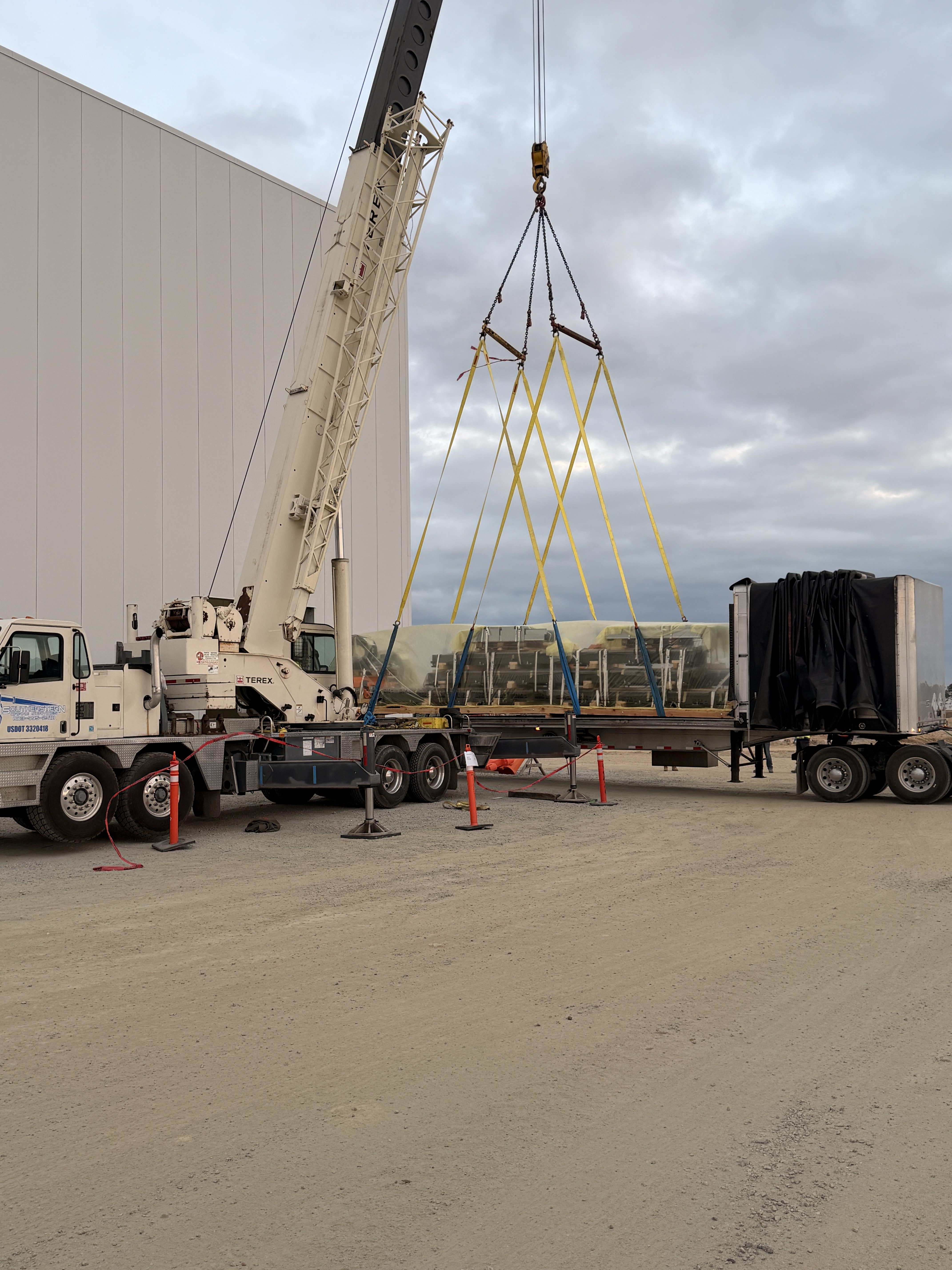

Construction safety is often viewed as a collection of rules, policies, and procedures. While those elements are important, they do not create a strong safety culture on their own. A true safety culture exists when every worker, supervisor, and manager actively participates in identifying hazards, preventing incidents, and looking out for one another.
Projects with strong safety cultures consistently experience fewer injuries, better productivity, improved morale, and stronger client relationships. In contrast, projects where safety is treated as an afterthought often struggle with preventable incidents, employee turnover, and costly delays.
What Is Safety Culture?
Safety culture refers to the attitudes, beliefs, and behaviors that influence how safety is managed on a jobsite. It is demonstrated by the actions people take when no one is watching.
A strong safety culture means:
- Workers feel comfortable reporting hazards.
- Supervisors address safety concerns immediately.
- Management supports safe work practices.
- Safety is prioritized over production pressures.
- Everyone understands their role in preventing injuries.
Safety culture is not created through slogans or posters. It is built through consistent actions and leadership.
Leadership Sets the Tone
The most successful safety programs begin with leadership commitment.
When project leaders participate in safety meetings, conduct field observations, and engage with workers about hazards, employees recognize that safety is a core value rather than a requirement.
Effective leaders:
- Conduct regular site walks.
- Address hazards promptly.
- Hold everyone accountable.
- Recognize positive safety behaviors.
- Lead by example.
Workers quickly notice whether supervisors follow the same rules they are expected to follow.
Encourage Employee Involvement
Employees often identify hazards before management does because they perform the work daily.
Creating opportunities for worker involvement strengthens ownership of the safety program.
Examples include:
- Participating in pre-task planning.
- Contributing to Job Hazard Analyses (JHAs).
- Reporting near misses.
- Leading toolbox talks.
- Serving on safety committees.
When workers feel their input matters, participation increases dramatically.
Focus on Hazard Recognition
Many incidents occur because hazards were not identified before work began.
A proactive safety culture emphasizes hazard recognition through:
- Daily pre-task planning.
- Routine inspections.
- Site audits.
- Peer observations.
- Stop-work authority.
Workers should be encouraged to pause work whenever unsafe conditions exist without fear of retaliation.
Communication Is Critical
Clear communication helps prevent misunderstandings and unsafe actions.
Successful projects utilize:
- Daily huddles.
- Toolbox talks.
- Shift turnover meetings.
- Safety alerts.
- Visual signage.
Communication should be consistent, timely, and understandable to all workers on site.
Learn From Near Misses
Near misses provide valuable opportunities to improve safety before someone gets injured.
Organizations with strong safety cultures investigate:
- Near misses.
- Property damage events.
- Equipment failures.
- Unsafe conditions.
The goal is not to assign blame but to identify root causes and implement corrective actions.
Recognize Positive Behaviors
Many safety programs focus solely on violations and deficiencies. While accountability is important, recognizing positive behavior can be equally effective.
Examples include:
- Identifying hazards.
- Following procedures.
- Assisting coworkers.
- Maintaining housekeeping standards.
- Demonstrating leadership.
Positive reinforcement encourages employees to continue making safe decisions.
Continuous Improvement
Safety culture is never finished. Successful organizations continually evaluate and improve their programs through:
- Audits.
- Inspections.
- Employee feedback.
- Training.
- Incident reviews.
Continuous improvement helps ensure safety remains aligned with changing jobsite conditions.
Final Thoughts
Building a strong safety culture requires commitment from every level of an organization. Policies and procedures provide the framework, but people create the culture.
When leaders demonstrate commitment, workers participate in the process, and safety becomes part of daily operations, organizations can significantly reduce risk while improving overall project performance.
Safety is not simply about compliance—it is about creating an environment where every worker goes home safely at the end of the day.
About the Author
Joel Willoughby is a Construction Safety Professional, OSHA Authorized Trainer, and Safety Advisor with experience supporting large-scale commercial, industrial, manufacturing, and data center construction projects throughout the United States. His background includes site safety leadership, fall protection, incident investigation, OSHA compliance, and workforce safety development.
Website: JoelWilloughby.com
About Joel: About Page
Construction Safety Services: Construction Safety Services
LinkedIn: LinkedIn Profile
Leave a Reply